
Polynucleotides vs Profhilo: Which Should You Choose?
Posted on 8th June 2026
Polynucleotides and Profhilo are two of the most sought-after injectable treatments for improving skin quality and supporting healthy ageing. While they are often grouped together as skin boosters, they work in very different ways and offer distinct benefits.
Understanding the differences between Polynucleotides and Profhilo can help you choose the treatment that best aligns with your skin concerns and aesthetic goals.
In this guide, we’ll explore how each treatment works, their key benefits, and which option may be most suitable for you.
What Are Polynucleotides?
Polynucleotides are regenerative injectable treatments made from purified DNA fragments, usually derived from salmon DNA. They work by stimulating the skin’s natural repair process as opposed to simply adding volume.
When polynucleotides are injected, they encourage fibroblast activity – the cells that are responsible for producing collagen and elastin. This helps to improve the quality of your skin from within.
Although often grouped together, a polynucleotide is not a skin booster. Skin boosters focus on deep hydration, whereas polynucleotides are bio-stimulators that work at a cellular level.
You can get polynucleotides for various areas, including under the eyes, face, neck, and décolletage. Most patients get around 2 to 4 sessions, spaced around 2 to 4 weeks apart.
Benefits of Polynucleotides
- Improved skin texture and tone
- Increased hydration
- Reduction in fine lines and crepey skin
- Improved skin elasticity
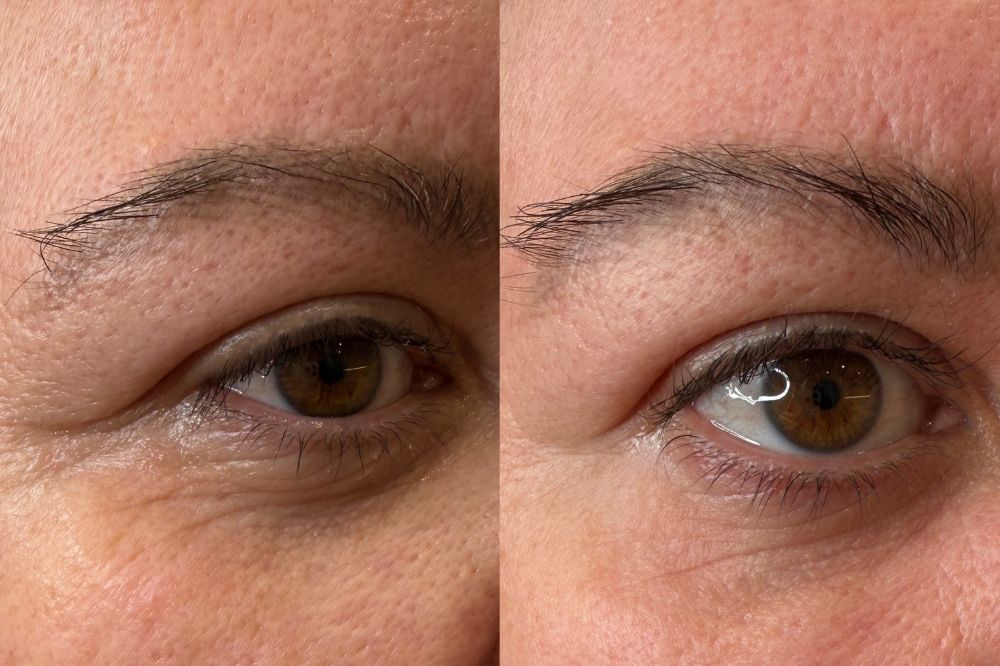
- Under-eye rejuvenation and reduced dark circles
- Support for acne scarring and skin repair
What Is Profhilo?
Profhilo is another injectable treatment. It is made from ultra-pure hyaluronic acid (HA) – and although it’s often described as a skin booster, it is different from fillers and regenerative injectables like polynucleotides.
Instead of creating volume, Profhilo spreads beneath the skin to hydrate your skin and stimulate collagen and elastin production across multiple layers of tissue. This is known as bio-remodelling.
It’s commonly used on the face and neck and is often chosen by patients who want fresher, firmer skin without looking “done”.
One question we get asked here at BU Aesthetics is: Is Profhilo a polynucleotide?
The answer is no. Profhilo is made from stabilised hyaluronic acid, while polynucleotides are DNA-derived regenerative compounds. Although both treatments improve skin quality, they work through different mechanisms.
Benefits of Profhilo
- Deep skin hydration
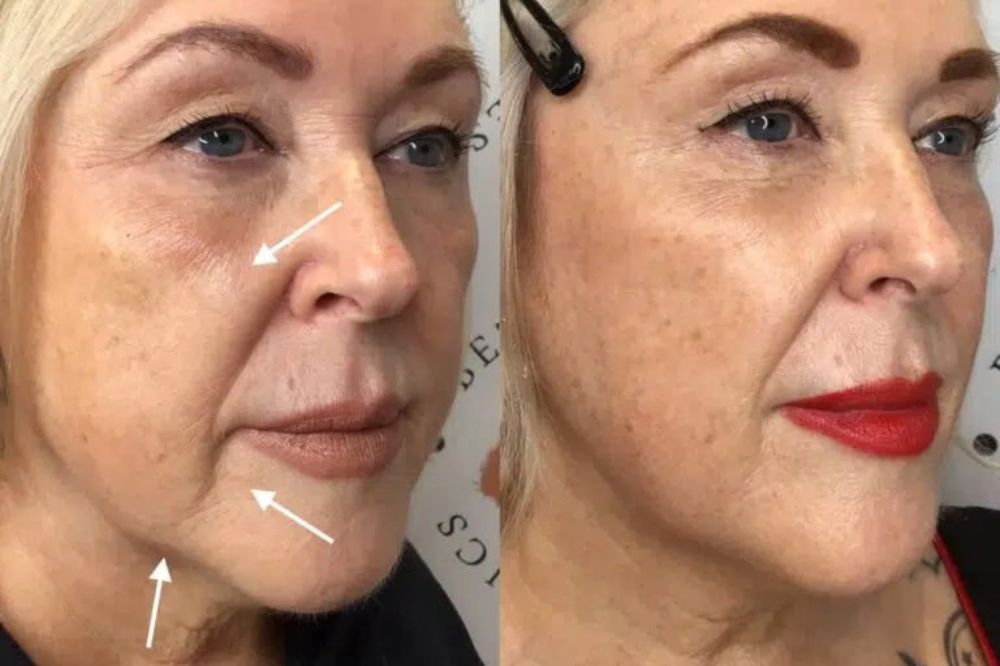
- Improved firmness and elasticity
- Smoother skin texture
- Reduction in crepey or lax skin
- A fresher, more radiant complexion
- Natural-looking rejuvenation without adding volume
- Minimal downtime and quick treatment sessions
Polynucleotides vs Profhilo – Key Differences
| Treatment | Polynucleotides | Profhilo |
| Main Ingredient | DNA-derived polynucleotides | Hyaluronic acid (HA) |
| Primary Mechanism | Cellular repair and regeneration | Bio-remodelling and hydration |
| Best For | Texture, under eyes, skin repair | Hydration, firmness, skin laxity |
| Sessions Needed | 4 sessions | 2 sessions |
| Results Timeline | Gradual improvement over weeks | Visible glow within weeks |
| Suitable For Sensitive Skin | Yes, it actually repairs the skin | Yes, it hydrates the skin |
The main difference between polynucleotides and Profhilo is how they work within your skin:
- Profhilo – Hydrates the skin and improves skin laxity through hyaluronic acid.
- Polynucleotides – Repair and regenerate the skin by stimulating cellular activity.
Neither is necessarily better than the other; they simply target different skin concerns.
Which Skin Concerns Does Each Treat Best?
When to Choose Polynucleotides
Polynucleotides might be the best choice for you if you have:
- Dull or damaged skin
- Fine lines and early ageing
- Crepey under-eye skin
- Dark circles or hollowing
- Acne scarring or post-inflammatory changes
- Poor skin texture
They are popular with patients who are looking for long-term skin rejuvenation rather than a quick cosmetic fix. They’re also popular among younger patients who want to improve the quality of their skin early on.
When to Choose Profhilo
Profhilo might be the best choice for you if you’re concerned about:
- Dehydrated skin
- Mild skin sagging
- Loss of elasticity
- Overall skin quality improvement
- A natural-looking glow and firmness boost
Many patients opt for Profhilo to get a refreshed appearance without adding volume. In fact, it’s often referred to as a “liquid facelift” because of the smoothing and tightening effect it has on your skin.
Can You Have Polynucleotides and Profhilo Together?
Yes, polynucleotides and Profhilo can be combined, and many patients benefit from both treatments as part of a personalised, multi-modal approach to skin rejuvenation. By targeting different aspects of skin ageing, they can work synergistically to improve skin quality, hydration, and overall skin health.
Because the treatments work differently, they can complement each other well. Profhilo can improve hydration and firmness, while polynucleotides focus on deeper skin repair and regeneration.
At BU Aesthetics, we can tailor combined skin booster treatment plans during consultation to meet your needs and help address multiple concerns together.
Results
Polynucleotides Results
Polynucleotide results develop gradually over time as the skin rejuvenates itself. You may notice results over the span of several weeks, and results can last anything from 6 to 12 months.
Here’s what you can expect from polynucleotides:
- Brighter skin
- Improved texture and smoothness
- Better elasticity
- Reduced fine lines
- Fresher-looking under eyes
Profhilo Results
With Profhilo, you’ll likely notice hydration and skin quality improvements within 4 to 6 weeks after the second session. Many notice small improvements shortly after treatment, but the effects continue to develop over time.
Here’s what you can expect from Profhilo treatment:
- Firmer skin
- More supple skin
- More radiant skin
- Better hydrated skin
Side Effects and Downtime
Both polynucleotides and Profhilo are minimally invasive and don’t involve much downtime. They also share similar potential side effects, such as:
- Mild redness
- Swelling
- Tenderness
- Minor bruising at injection sites
Their side effects are minimal and typically settle within 24 to 48 hours.
With polynucleotides, some patients may experience minor swelling under the eyes (if that is the treatment area), although this is very rare.
With Profhilo, some patients may notice small bumps, known as BAP points, for a short time after treatment.
Cost Comparison
Cost can vary depending on the clinic you choose, where you’re based, and the experience of the practitioner.
- Polynucleotides are priced per session or as a course
- Profhilo is often sold as a two-session package
At BU Aesthetics, Polynucleotide treatments start from £200 per session, while Profhilo starts from £250 per session. Most patients benefit from a course of treatments to achieve optimal results.
For tailored pricing information, explore our Polynucleotides Treatment and Profhilo Treatment or book a consultation.
Which Treatment Is Right for You?
The right treatment for you depends entirely on your main concerns.
Polynucleotides may be the best choice if your main concerns are:
- Skin repair
- Texture
- Under-eye rejuvenation
- Early signs of ageing
Profhilo might be the better fit if your main concerns are:
- Dehydration
- Firmness
- Overall skin laxity
Best results often come from a personalised treatment plan rather than a singular treatment in isolation. During a consultation at BU Aesthetics, we will assess your skin properly and recommend the most appropriate option based on your goals.
Polynucleotides vs Profhilo FAQs
Which is better for anti-ageing: polynucleotides or Profhilo?
Profhilo is the best option for laxity and overall firmness, whereas polynucleotides are better suited for skin repair, texture, and targeted concerns like under-eye rejuvenation. A consultation will help determine which treatment best addresses your ageing concerns.
Can I have polynucleotides and Profhilo at the same time?
Yes, many patients benefit from combining both treatments. At BU Aesthetics, we will advise on the best timing and sequencing for your skin goals.
How many sessions do I need for each treatment?
Profhilo typically requires two sessions four weeks apart. Polynucleotides usually require a course of four sessions, depending on the concern being treated.
Are polynucleotides or Profhilo painful?
Both treatments involve a series of small injections and can cause some discomfort during treatment. Pain levels vary from person to person and depend on the treatment area, individual sensitivity, and the product being used.
Most patients describe the treatment as tolerable, and topical numbing cream can be applied beforehand to improve comfort. Some tenderness or sensitivity in the treated area may also be experienced for a short period following treatment.
During your consultation, your practitioner will discuss what to expect and take steps to make the treatment as comfortable as possible.


