
Polynucleotides Before and After: Real Results, Timelines & What to Expect
Posted on 8th June 2026
If you’re searching for polynucleotides before and after results, you probably want to know whether the treatment actually works.
We’ve got you covered. In this guide, we’ll explore what polynucleotide treatments can achieve, look at real before-and-after results across different treatment areas, and explain when you can expect to start seeing improvements and how results develop over time.
We’ll also cover how many sessions you may need and what to expect throughout the process.
What Are Polynucleotides?
Polynucleotides, also known as PDRN treatments, are regenerative injectable treatments. They are derived from purified salmon or trout DNA, and work by encouraging the skin to repair and regenerate itself.
When injected into the skin, they stimulate fibroblast activity, encouraging collagen and elastin production. This helps to improve the overall quality of your skin, including hydration, texture and elasticity.
You can learn more in our dedicated guide to polynucleotides.
What Do Polynucleotides Treat?
Polynucleotides can treat:
- Fine lines and wrinkles
- Dull or dehydrated skin
- Dark circles under the eyes
- Crepey skin texture
- Ageing skin on the face, neck and décolletage
Polynucleotides Before and After: Real Results
One of the reasons polynucleotides are so popular is because they create real, noticeable results without looking ‘overdone’.
Patients often describe their skin as looking healthier and fresher rather than looking like they’ve had cosmetic work done.
When you look at before and after images, remember that results can vary from person to person. Certain factors can affect results, such as:
- Age
- Skin quality
- Lifestyle habits
- Sun exposure
- The number of treatment sessions completed
Polynucleotides Under Eyes Before and After
The under eye area is one of the most requested treatment zones here at BU Aesthetics. This is where many people notice dark circles, fine lines, hollowness and crepey skin due to ageing.
The skin under the eyes is extremely thin, so traditional fillers are not always the best solution. Polynucleotides work differently – they encourage tissue regeneration and improve skin quality, which makes them a good choice for patients looking for a natural-looking improvement.
Here’s how polynucleotides compare with tear trough filler for the under eye area:
| Concern | Polynucleotides | Tear Trough Filler |
| Fine lines & crepey skin | Excellent option. Stimulates collagen production, improves hydration, and strengthens thin, delicate under-eye skin | Limited improvement. May provide some support to the area and some skin hydration, but does not significantly improve skin texture or quality |
| Dark circles caused by thin skin | Can help improve appearance by thickening and strengthening the skin, making underlying vessels less visible | Does not address skin quality and may have little effect on dark circles caused by skin translucency |
| Hollow under-eyes | Mild improvement only | Best suited |
| Results | Gradual improvements developing over several weeks and months as the skin regenerates | Immediate volume replacement, with final results visible once any swelling settles |
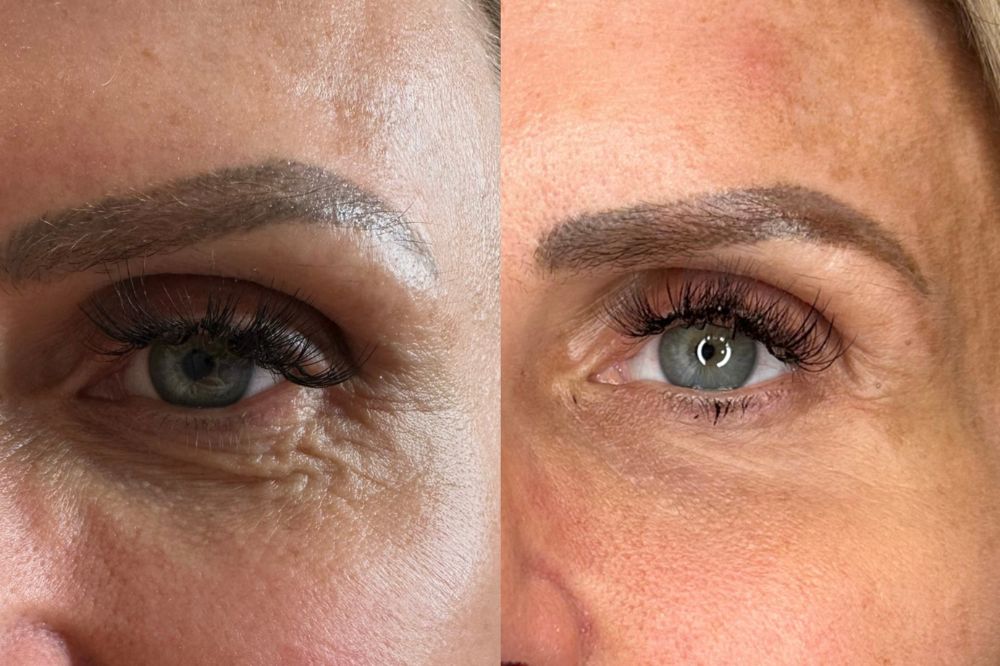
Some under-eye results from polynucleotides include:
- Brighter appearance
- Reduced crepey texture
- Softer fine lines
- Improved skin thickness
- Less visible shadowing and dark circles
One of the most important things to understand when reviewing polynucleotides under eyes before and after results is that the changes are often subtle and progressive. The goal is stronger and healthier skin as opposed to a sudden dramatic correction.
Here are some before and after results of polynucleotides for the under eye area:
Polynucleotides Before and After: Face & Skin Texture
Polynucleotides can be used to treat the full face, improving overall skin quality instead of focusing on just one singular concern.
Patients who have dull, dehydrated and/ or sun-damaged skin often have the best transformations.
Polynucleotides encourage collagen production and promote hydration, which can make the complexion brighter and smoother, and appear more even.
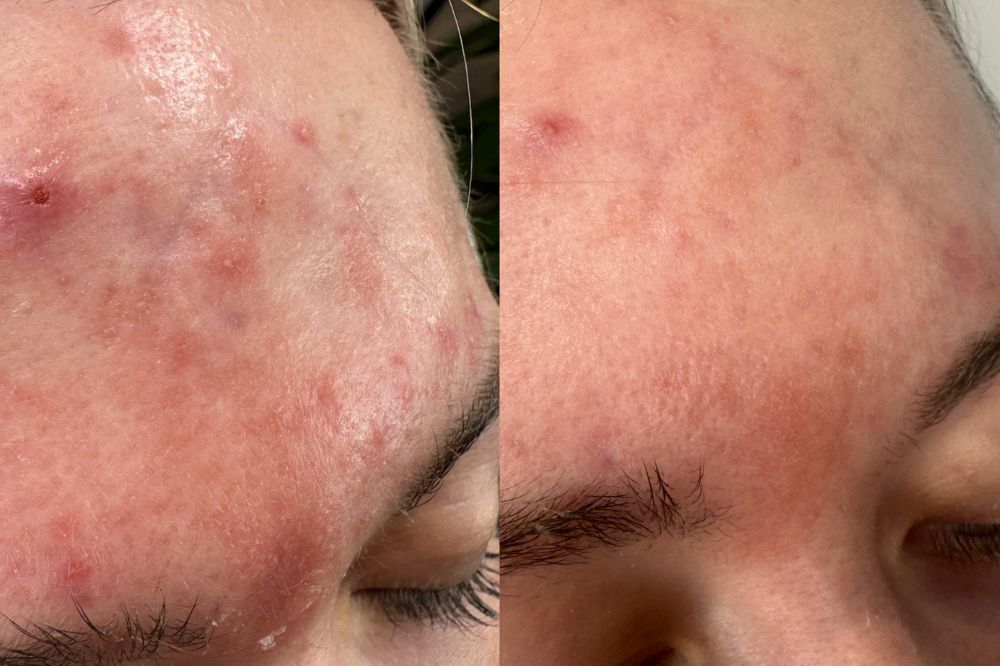
Some full-face results from polynucleotides include:
- Enhanced skin radiance
- Improved elasticity
- Reduced fine lines
- Smoother skin texture
- Better hydration
- More even skin tone
Here are some before and after results of polynucleotides for the face:
Polynucleotides for the Neck and Décolletage
The neck and décolletage can show signs of ageing just as clearly as the face – and in some cases, more so. These areas are more prone to sun exposure, which means they may develop:
- Fine lines
- Crepey skin
- Loss of elasticity
- Uneven texture
Polynucleotides can help improve skin quality in these areas by encouraging collagen production and tissue regeneration.
How Soon Will You See Results? The Polynucleotides Timeline
Here’s a timeframe of when you can expect to see results from polynucleotide treatment:
| Timeframe | What to Expect |
| 24–48 hours post-treatment | Mild redness/swelling — normal and temporary |
| 2–4 weeks | Improved hydration, skin feels smoother |
| 4–6 weeks (after session 2) | Visible improvement in texture and tone |
| 8–12 weeks (after session 3) | Optimal results — lines, brightness, skin quality |
| 3–6 months onwards | Maintenance session recommended |
How Many Sessions Do You Need?
One treatment can improve skin quality, but most practitioners recommend a course of several treatments for best results. At BU Aesthetics, we often recommend four sessions, spaced three weeks apart.
Each treatment builds on the previous one, supporting ongoing collagen production and tissue regeneration.
After your initial course, we may recommend maintenance sessions several times a year, depending, of course, on your goals.
Polynucleotides vs Other Treatments: Before and After Comparison
| Treatment | Best For | How It Works | Results Timeline | Typical Longevity |
| Polynucleotides | Fine lines, dark circles, dull skin, skin quality concerns | Stimulates tissue repair, collagen and elastin production | Gradual improvements over 8–12 weeks | Around 9–12 months after a full course |
| Profhilo | Dehydrated, crepey or ageing skin | Hyaluronic acid bioremodelling improves hydration and firmness | Initial improvements within a few weeks | Around 6–9 months |
| Dermal Fillers | Volume loss, hollow areas, facial contouring | Adds volume beneath the skin using hyaluronic acid filler | Immediate | Around 6–18 months depending on area and product |
| Anti-Wrinkle Injections | Dynamic lines such as crow’s feet and frown lines | Temporarily relaxes targeted muscles | Typically 3–14 days | Around 3–4 months |
For under-eye concerns, polynucleotides are increasingly chosen as an alternative to tear trough filler because they improve skin quality rather than adding volume.
Similarly, polynucleotides and anti-wrinkle injections address different concerns and can often complement one another.
For a deeper breakdown, see our full comparison: Polynucleotides vs Profhilo.
Is Polynucleotide Treatment Worth It?
If you’re looking to improve skin quality rather than add volume, polynucleotides may be the best choice for you. They deliver real and natural-looking results. Before and after results consistently show improvements in hydration, texture, brightness and fine lines, especially around the eyes and across the face.
Although they’re not designed to replace volume loss or dramatically reshape features, they can be a great option if you’re looking for a regenerative approach to skin rejuvenation.
The best way to find out whether polynucleotides are right for you is through a personalised consultation. At BU Aesthetics, we’ll assess your concerns, discuss realistic outcomes and create a treatment plan tailored to your skin and goals.
Find out more about our polynucleotide treatment at BU Aesthetics or book a consultation today.


